
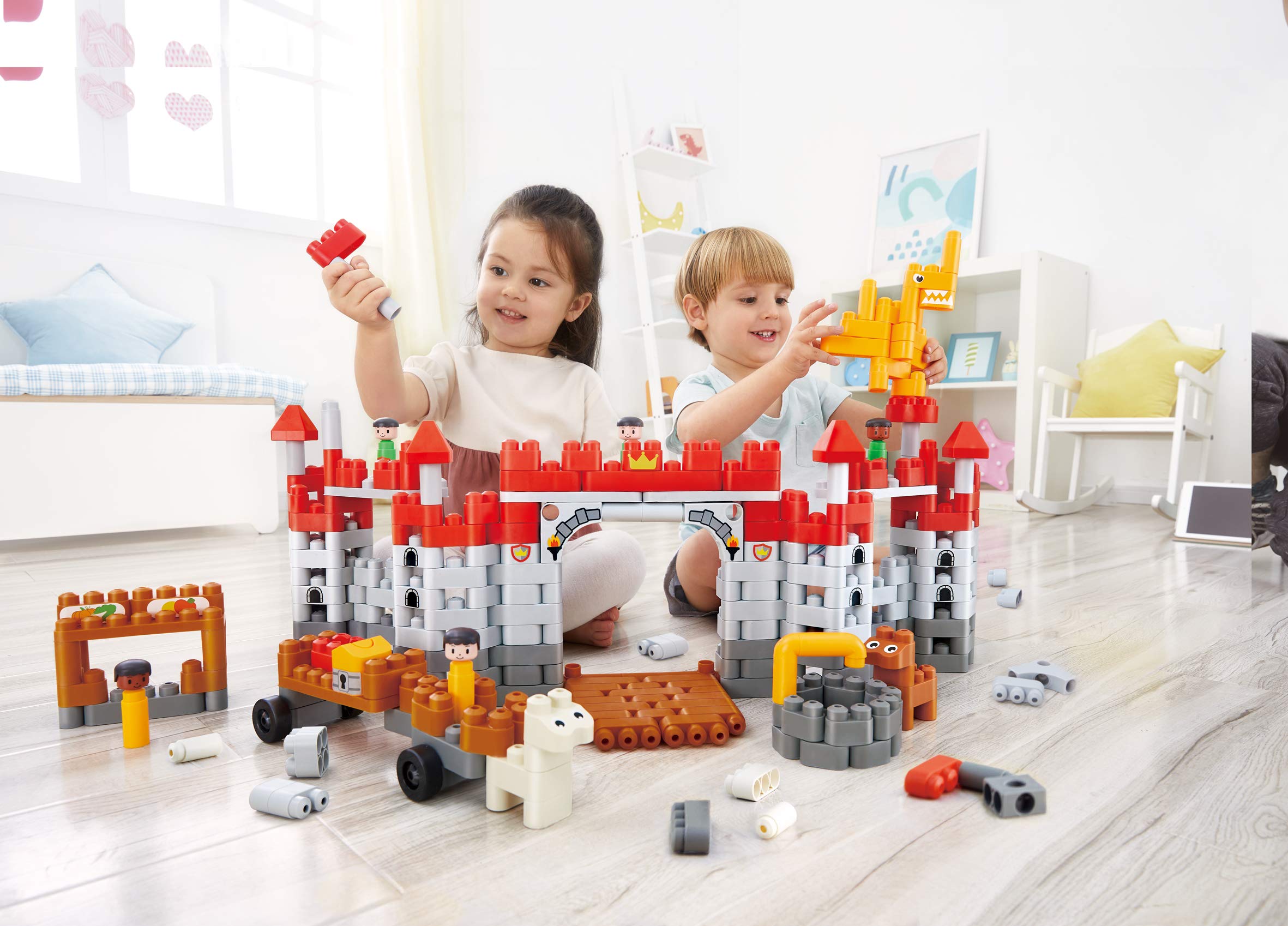
1. Cognitive Development: From Curiosity to Problem-Solving
Ages 1-6 are a golden period for rapid brain development in children. STEAM toys allow young children to naturally engage with scientific principles and logical thinking through hands-on activities during play. For example: magnetic tiles and simple gear components
Children can observe the phenomena of magnetic attraction and structural balance by combining different shapes. Simple gear components: When turning the gears, children will discover the causal relationship of power transmission. These explorations can cultivate scientific thinking of "Observation → Hypothesis → Verification" and enhance problem-solving abilities. Research by the American Academy of Pediatrics (AAP) indicates that children who have early exposure to open-ended toys perform better in logical reasoning after school age.
2. Fine Motor Skills and Coordination: Future Engineers Using Hands and Minds
STEAM toys often require children to stack, assemble, or connect pieces, training their grip and hand-eye coordination through building blocks and screw toy components, while also teaching them to use tools to secure parts.
These seemingly simple actions can strengthen the development of small muscles, laying the foundation for future fine motor skills such as writing and drawing. Japanese scholars have found that children who frequently manipulate three-dimensional structure toys have spatial awareness abilities that are 30% higher than their peers.
3. Art and Creativity: Merging Science with Aesthetics
The A (Art) in STEAM is a crucial key to stimulating creativity and thinking! Through interdisciplinary play experiences, children learn to solve problems creatively while cultivating their aesthetic sense and artistic expression. Finnish education experts emphasize that the combination of art and science allows the right and left brains of young children to develop synchronously.
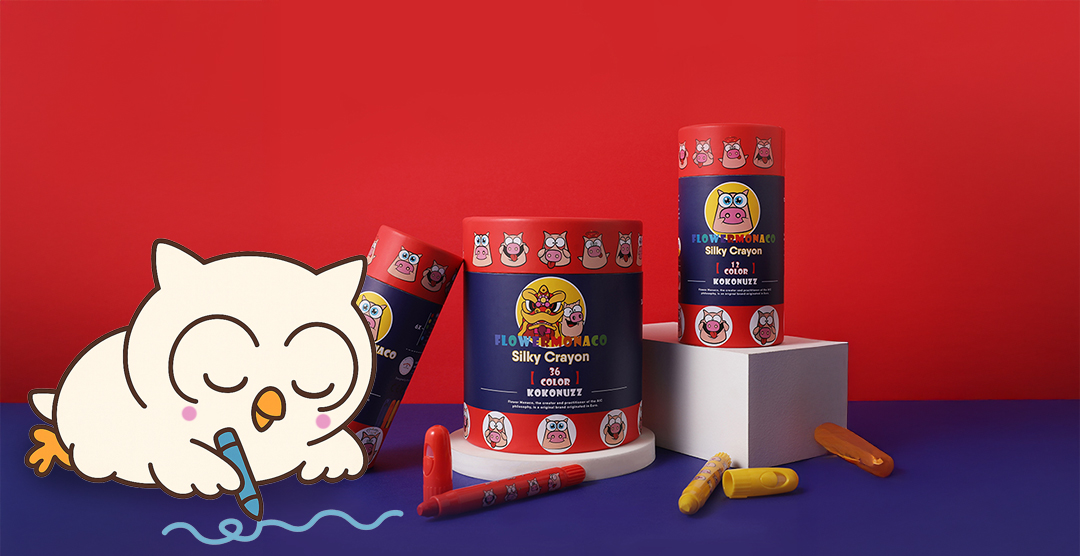
The brand's philosophy is Colour your life – filling life with color through painting
Flower Monaco's artistic creative tools include specially made crayons, large rolls of drawing paper, washable watercolor pens, etc., providing endless creative space for children.
4. Promoting Parent-Child Time and Social Interaction
Some STEAM toys require teamwork, such as large building blocks or Q&A math games. During playtime, parents or instructors can guide children to think, "Why does the tower fall? How can we build it to be more stable?" In the process, children learn to communicate, share, and practice resilience by trying again after failure. Research shows that children who frequently participate in cooperative games have better emotional management skills.
Some cooperative STEAM toys require peers to complete tasks through collaboration or competition. For example, magnetic track ball sets and giant soft building blocks require multiple people to work together to complete structures, practicing material transfer and sharing space to cultivate communication and strategic planning. They are particularly suitable for playgroups or school environments, allowing children to play together and build good interpersonal relationships, laying a solid foundation for future social life.
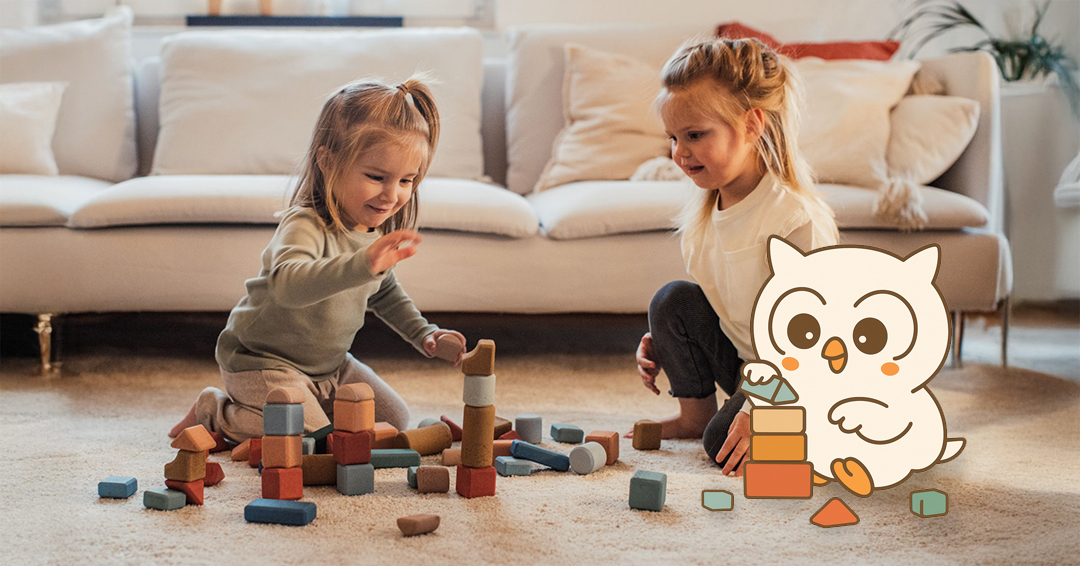
STEAM toys do not advocate for expensive high-tech products but rather inspire children's passion for learning and the spirit of problem-solving. When we allow students to engage with scientific thinking and experience the sense of achievement in creation during play, they will no longer fear the difficulty of learning math and science but will embrace this challenging world with curiosity and confidence. The next time you choose a toy for your child, consider: what can this toy teach them through laughter and challenges?
Perhaps, this is the best growth gift you can give to your child.