Product Overview
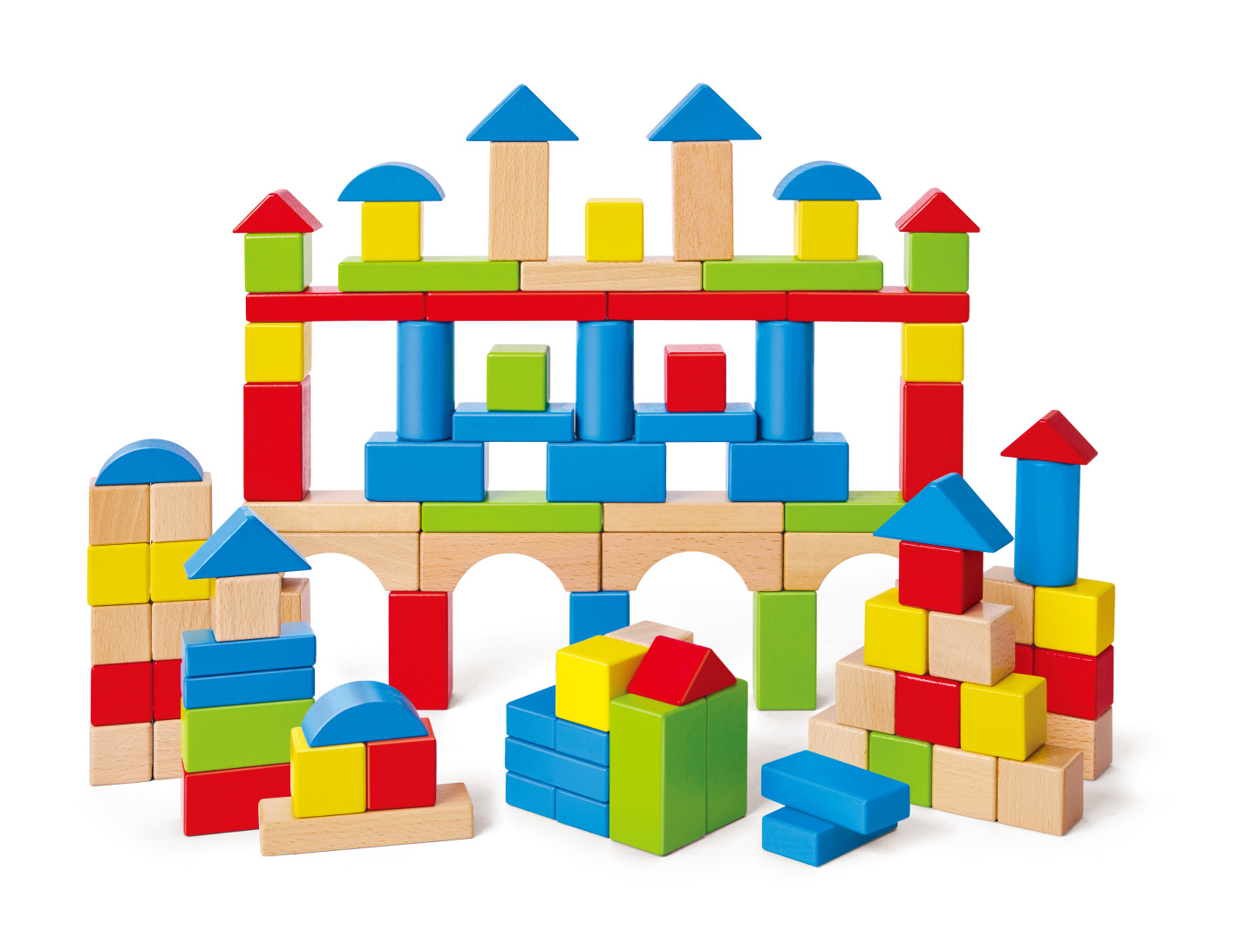
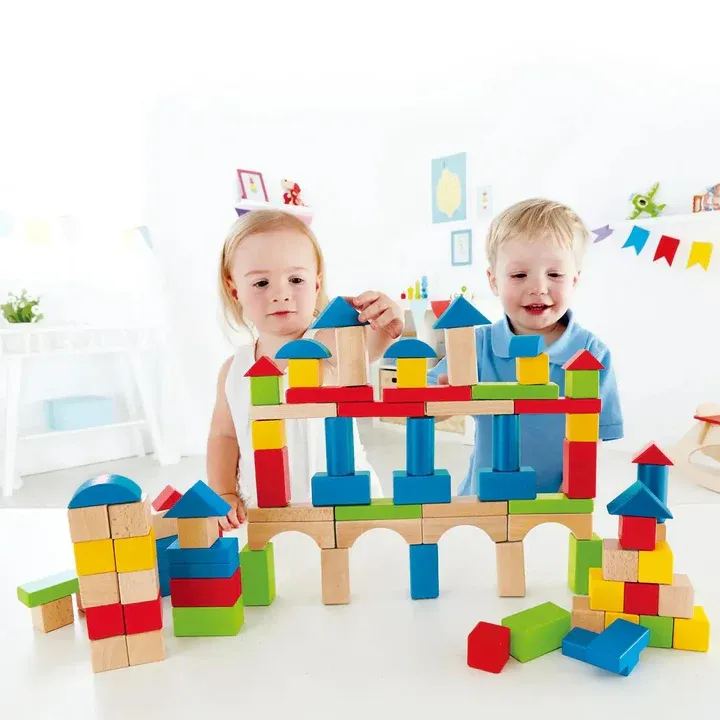
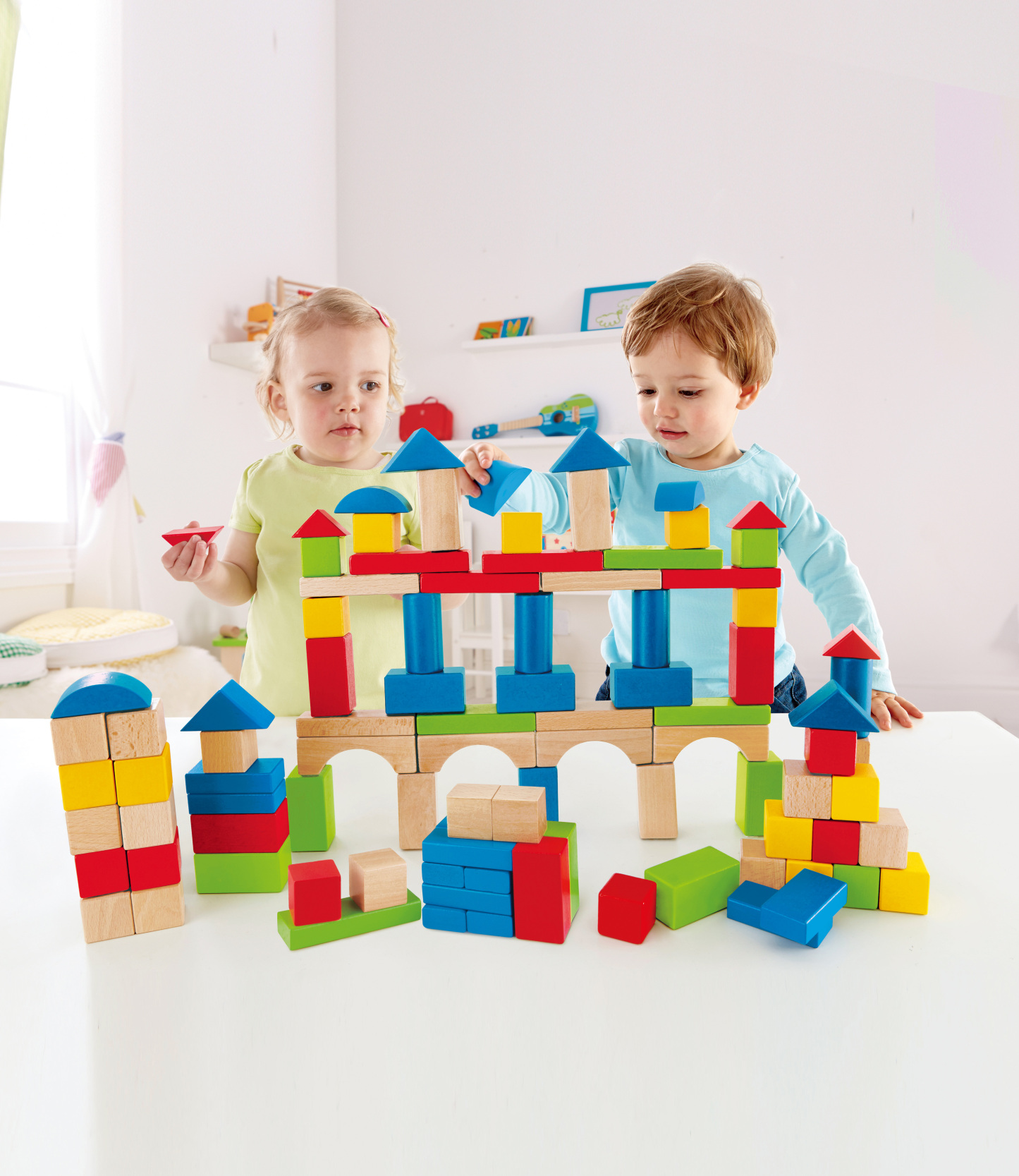
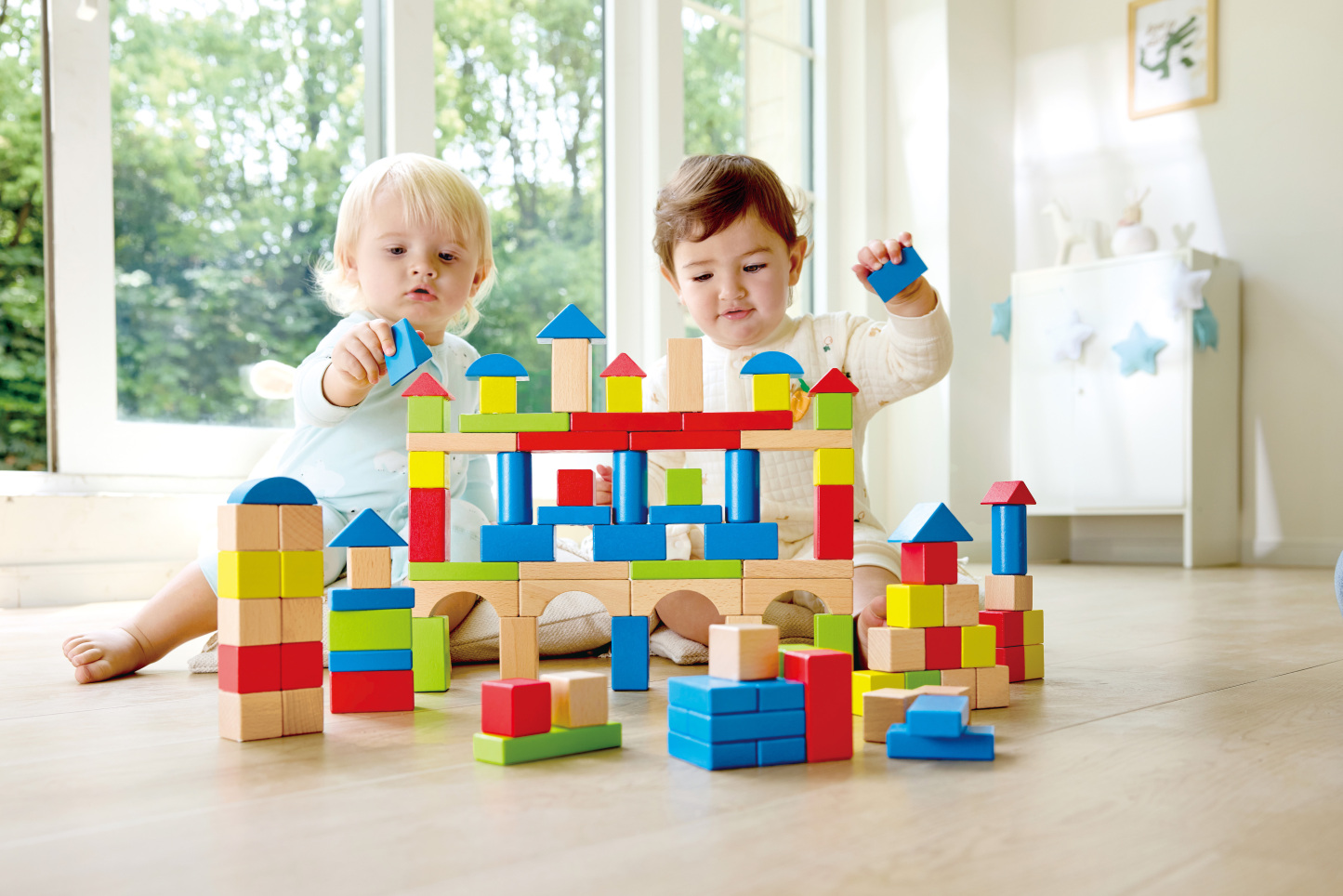
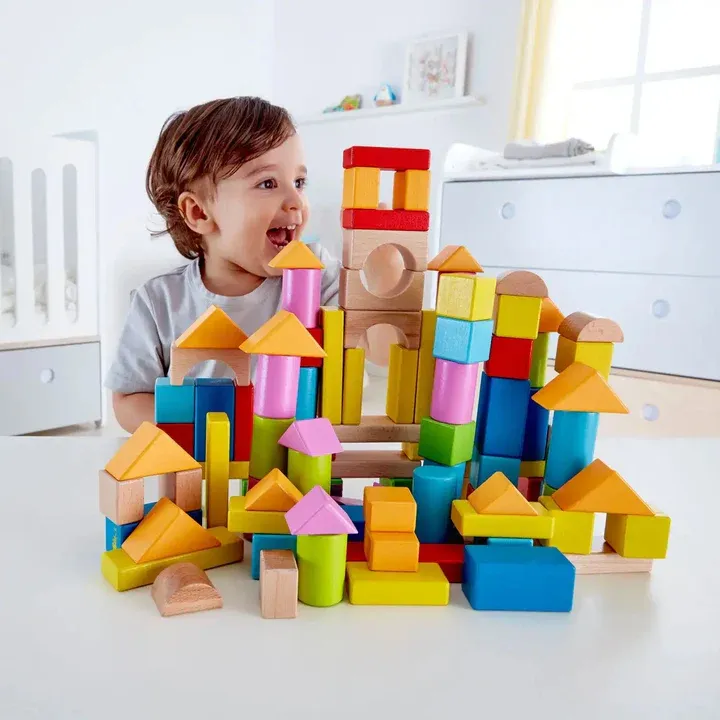
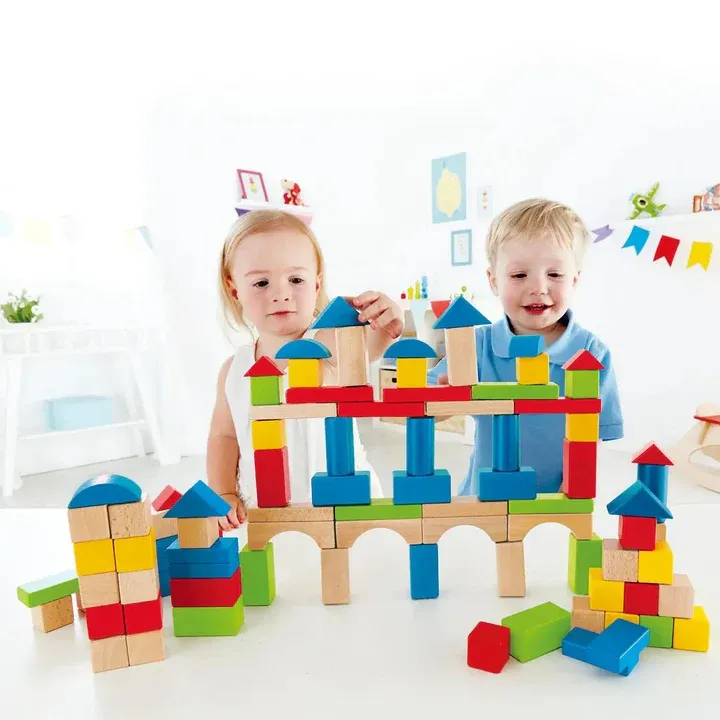
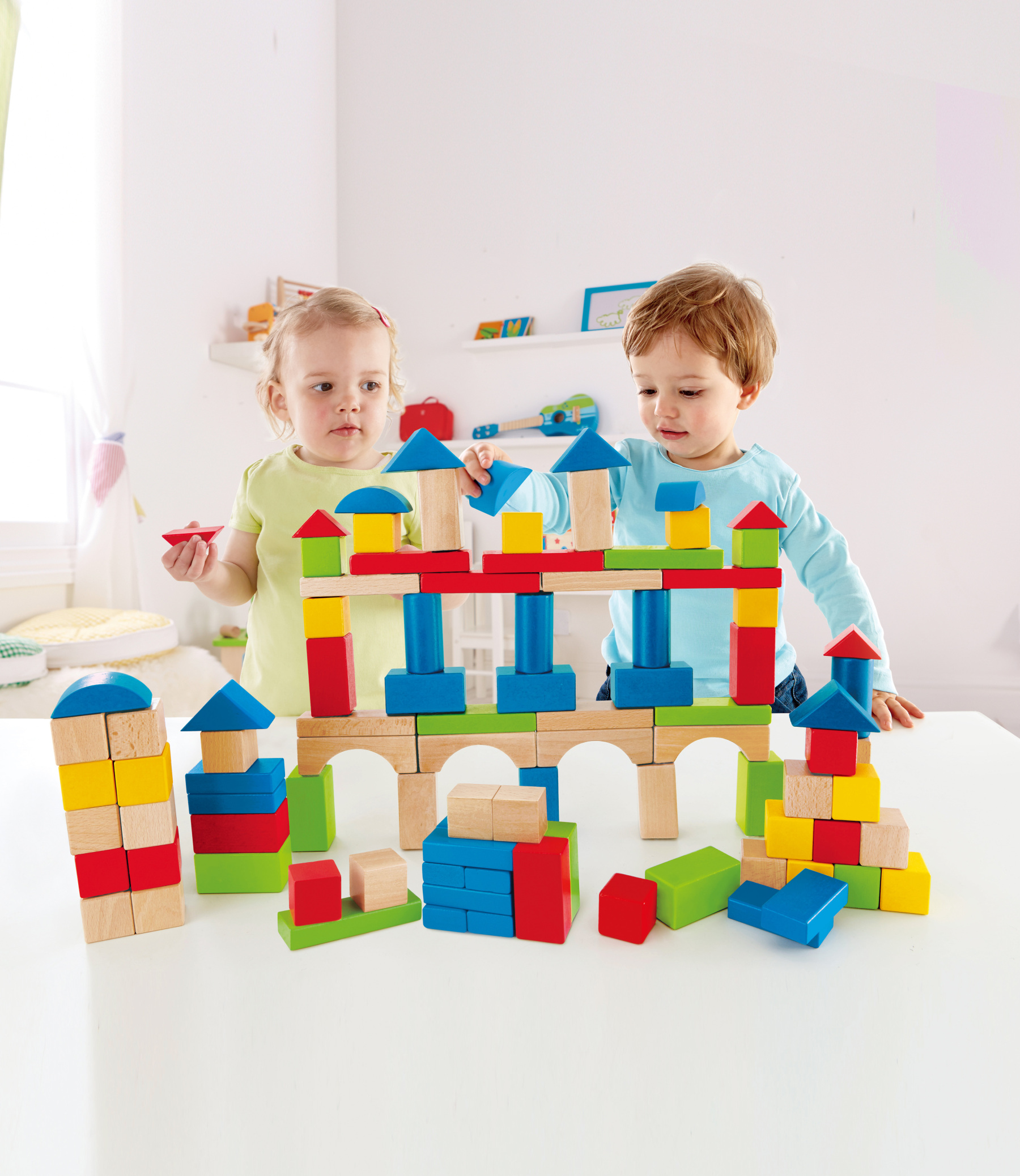
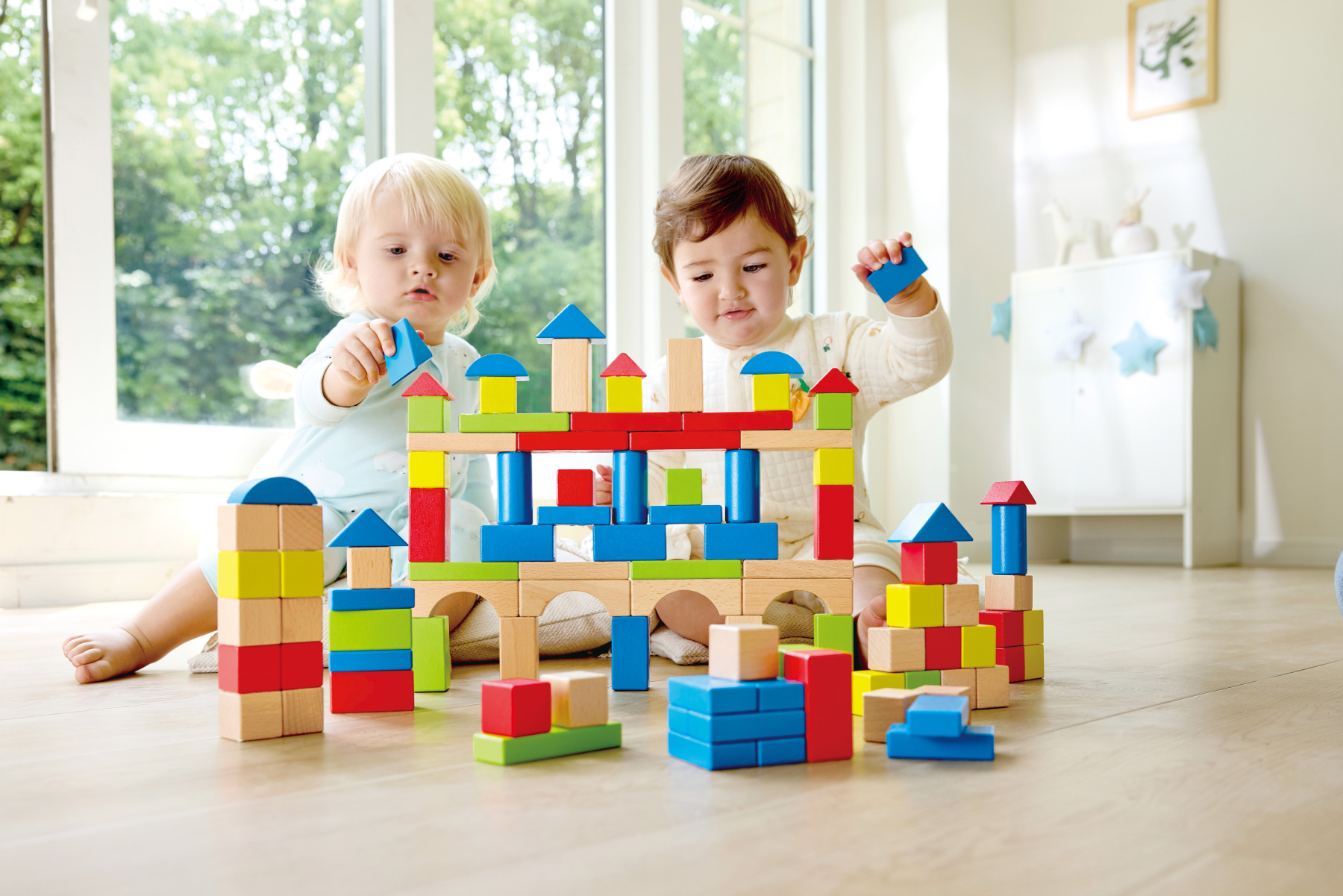
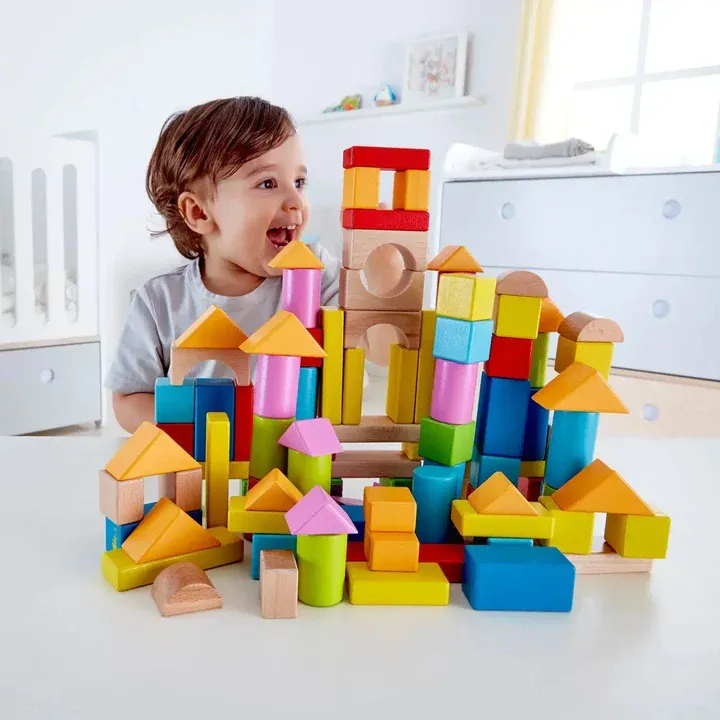
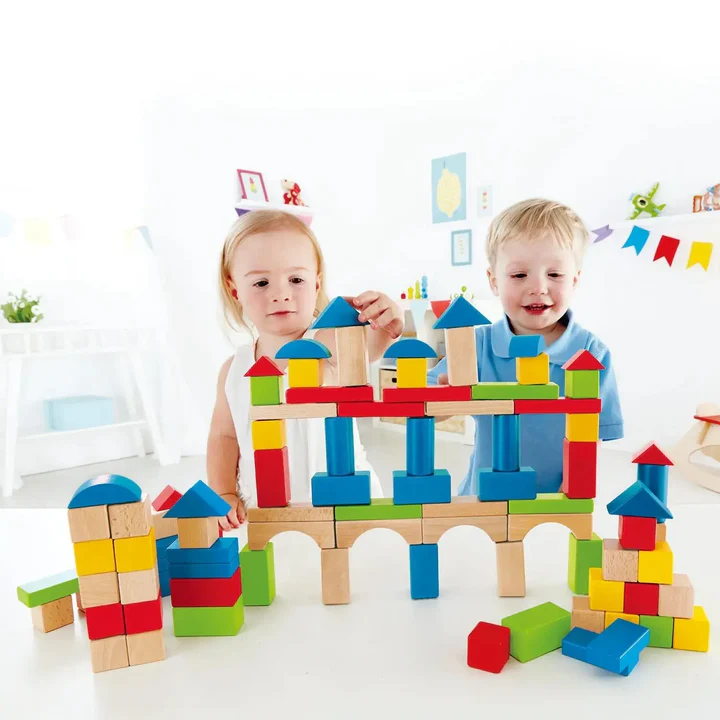
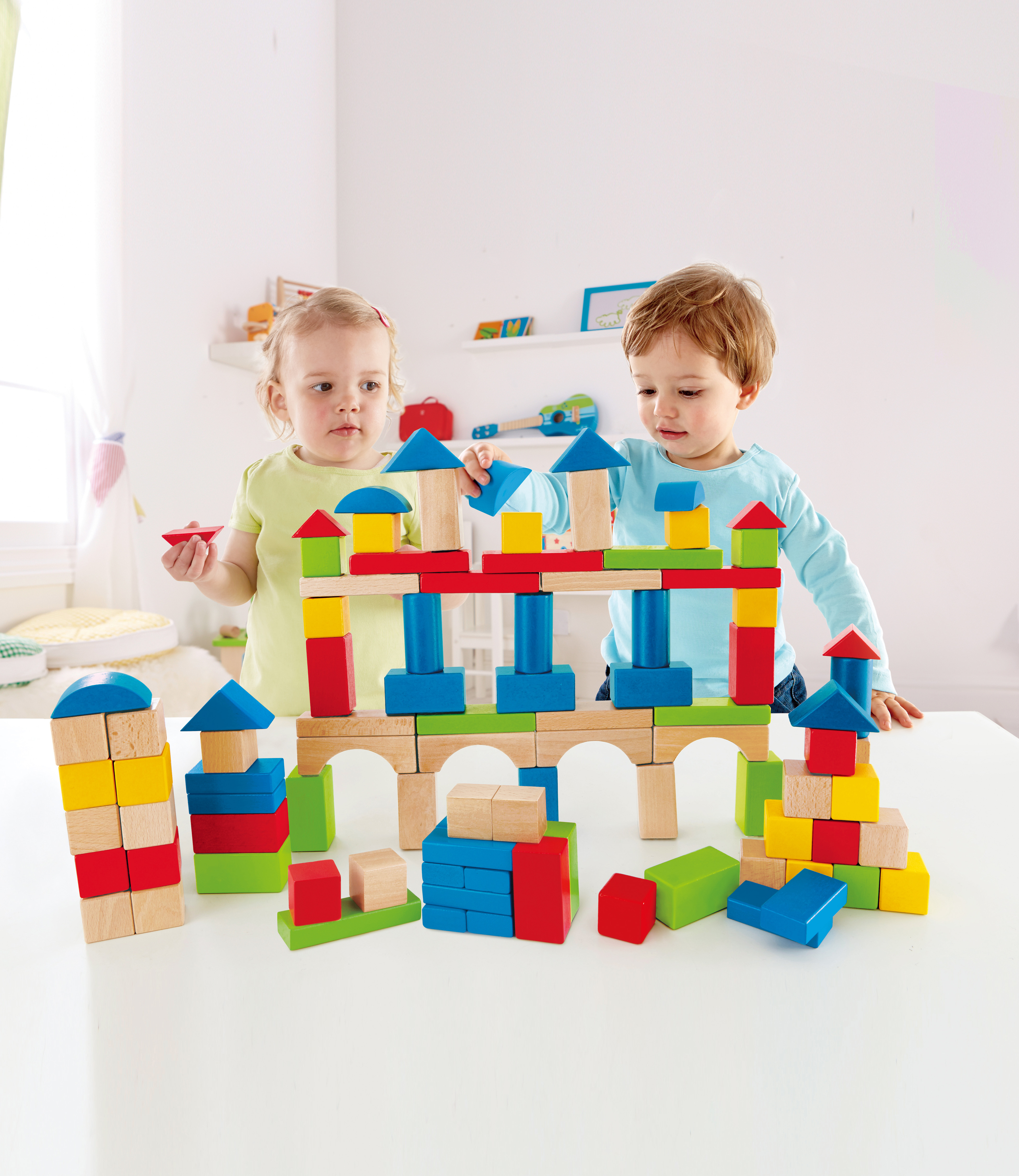
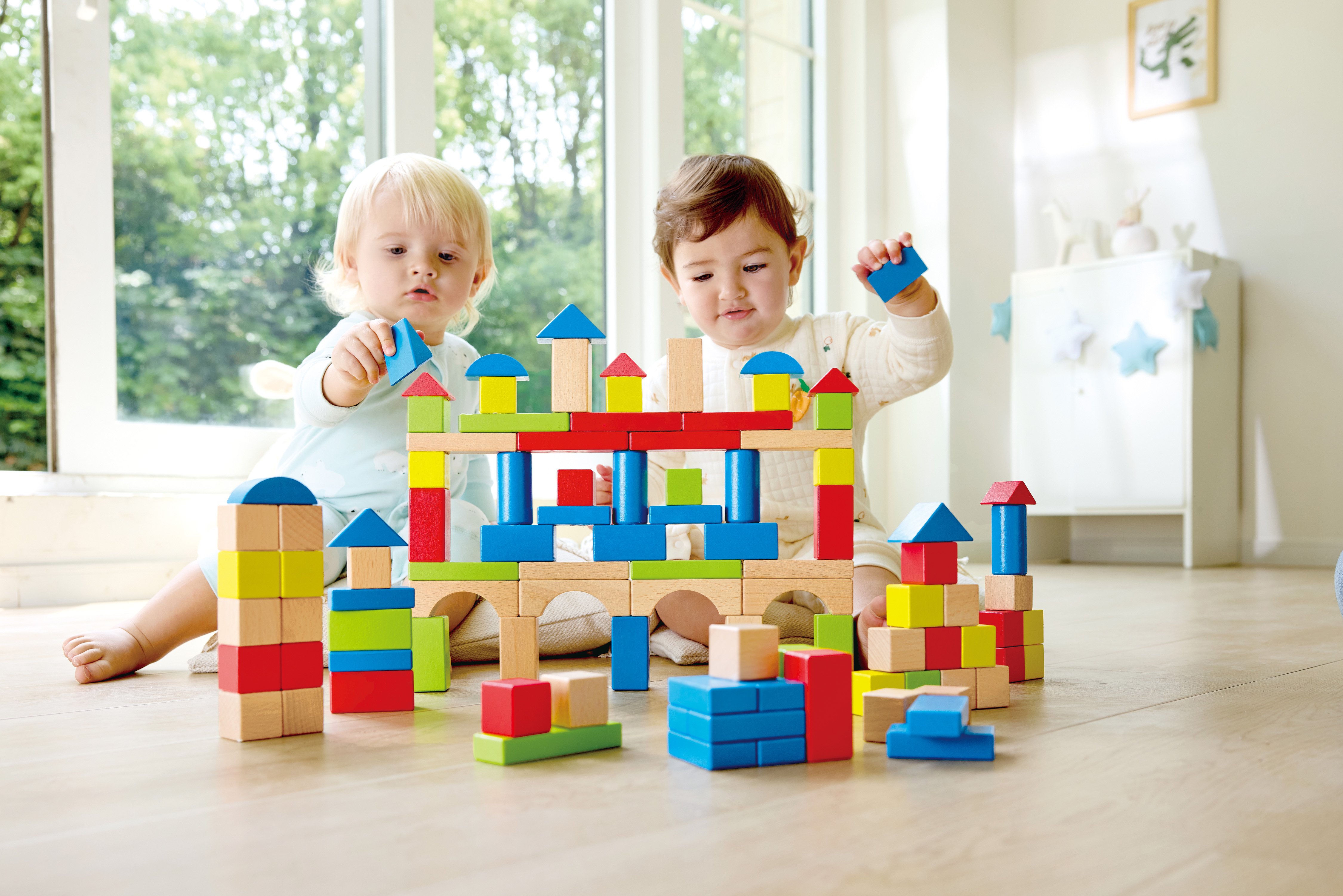
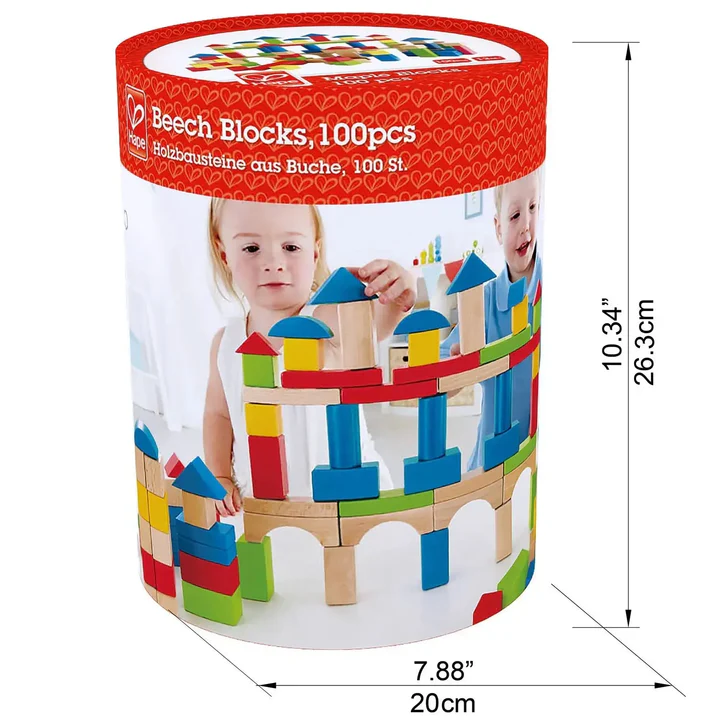
This building block and educational toy is suitable for children aged 1 and above. Through stacking, constructing, and creative combinations, it allows toddlers to enhance their fine motor skills, hand-eye coordination, and spatial awareness under the multi-sensory stimulation of diverse shapes and bright colors. The set includes 100 rich maple wood blocks in four bright colors, which can attract children's focus on construction, making it suitable for parent-child interaction and as a teaching tool in kindergarten construction corners. It is also an ideal choice for introducing toys to 1-year-olds.
Product Highlights
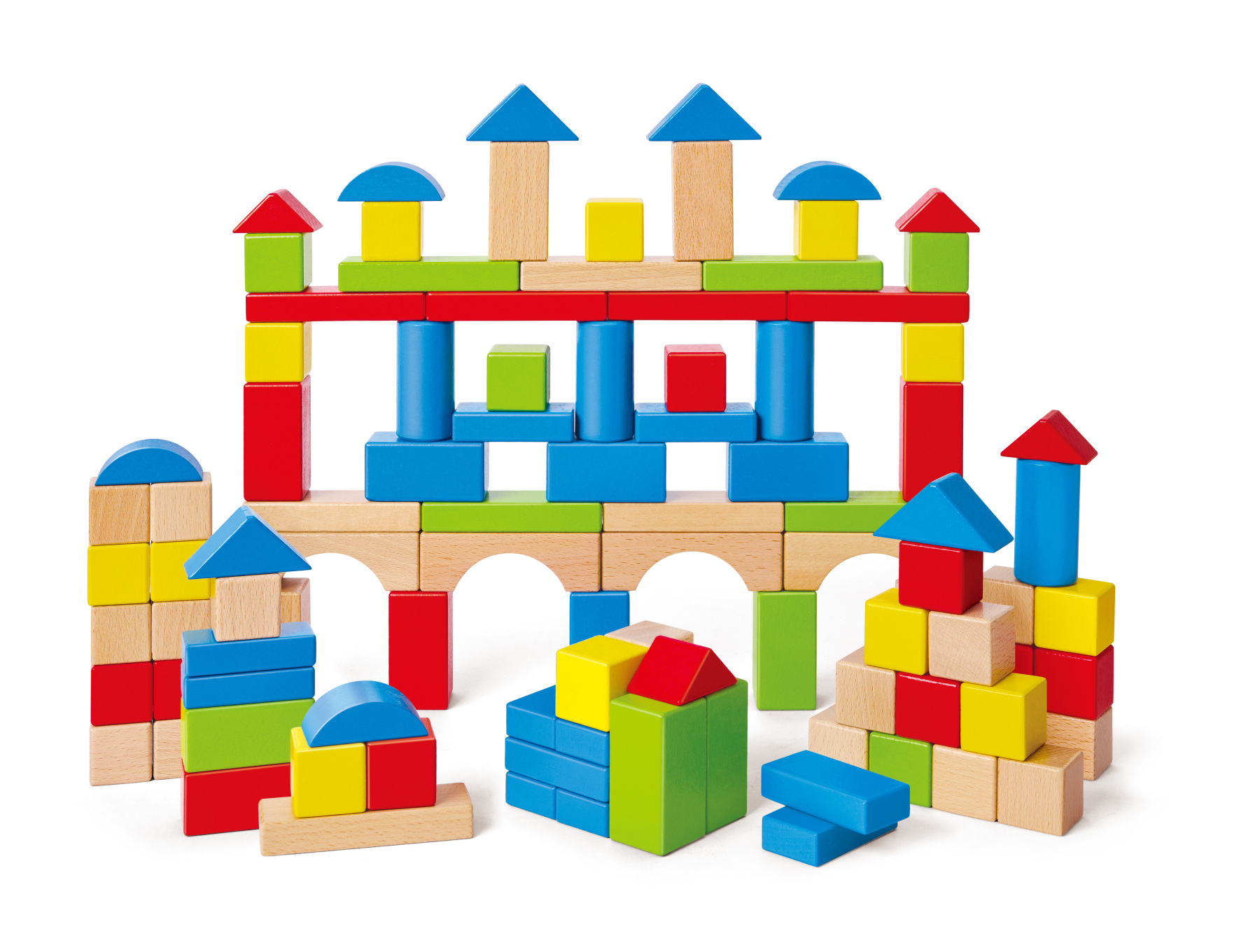
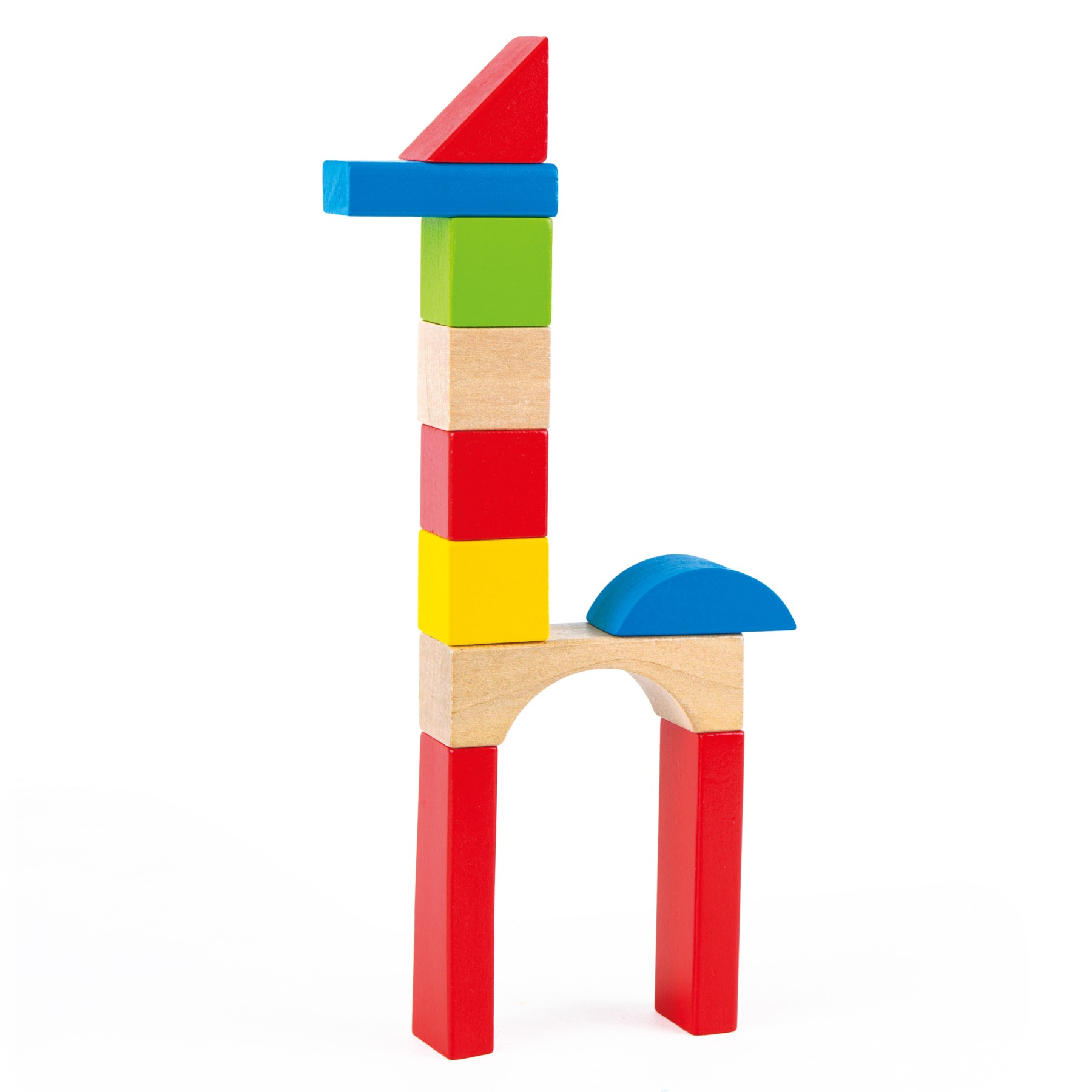
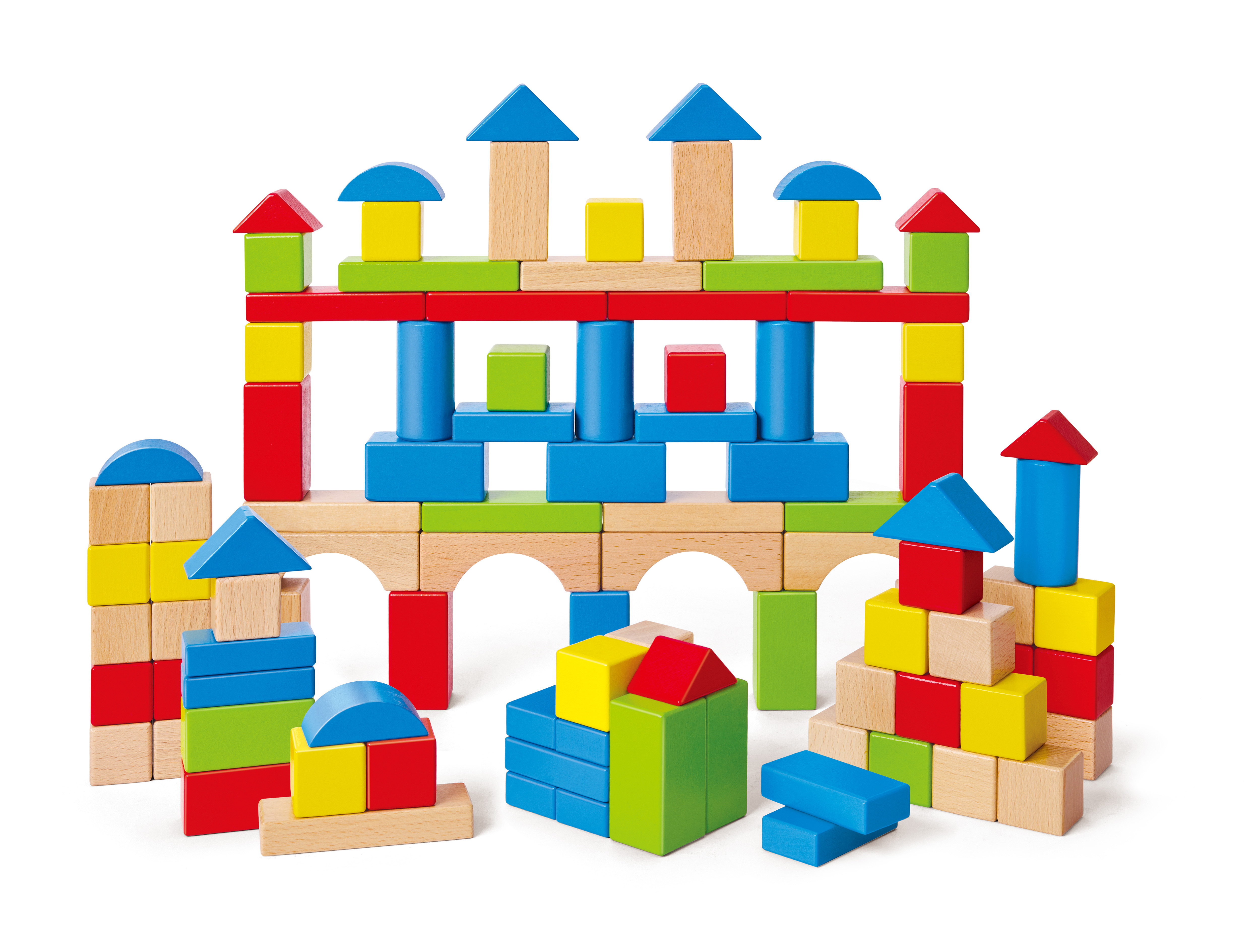
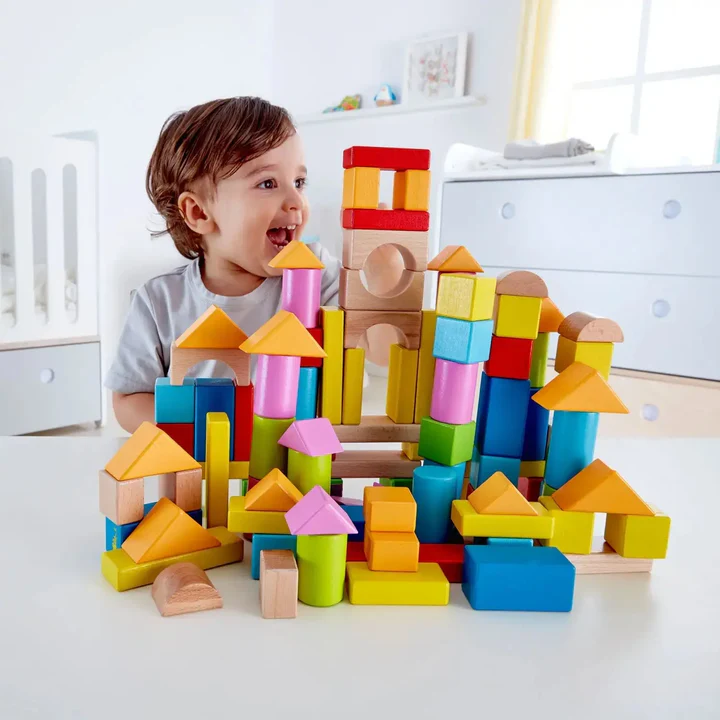
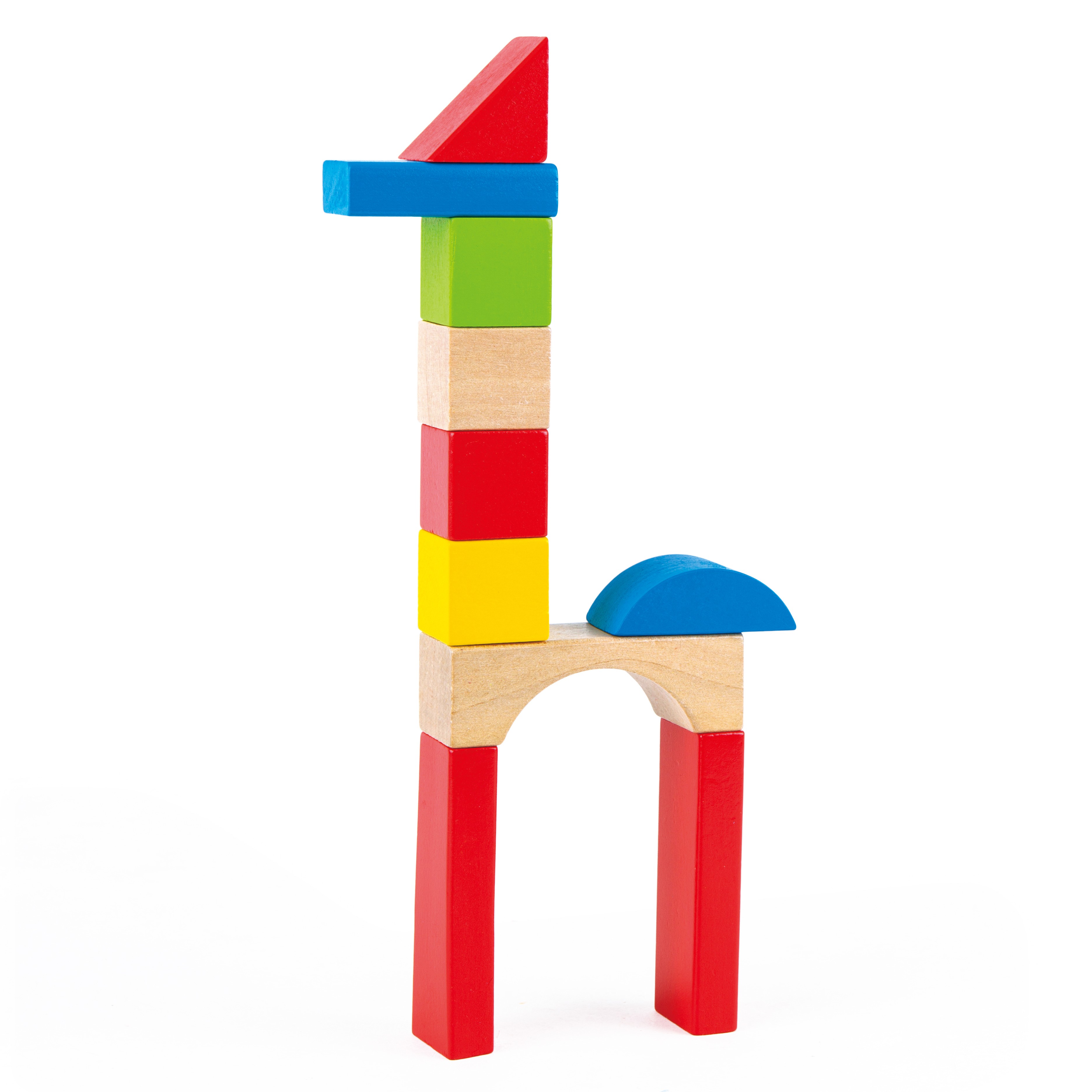
- 100-piece rich combination: Includes various shapes such as rectangular, cylindrical, triangular, and arched, in four vibrant colors, inspiring endless creativity
- High-quality maple wood material: Made from natural maple wood and child-safe water-based paint, sturdy and durable, with a delicate touch
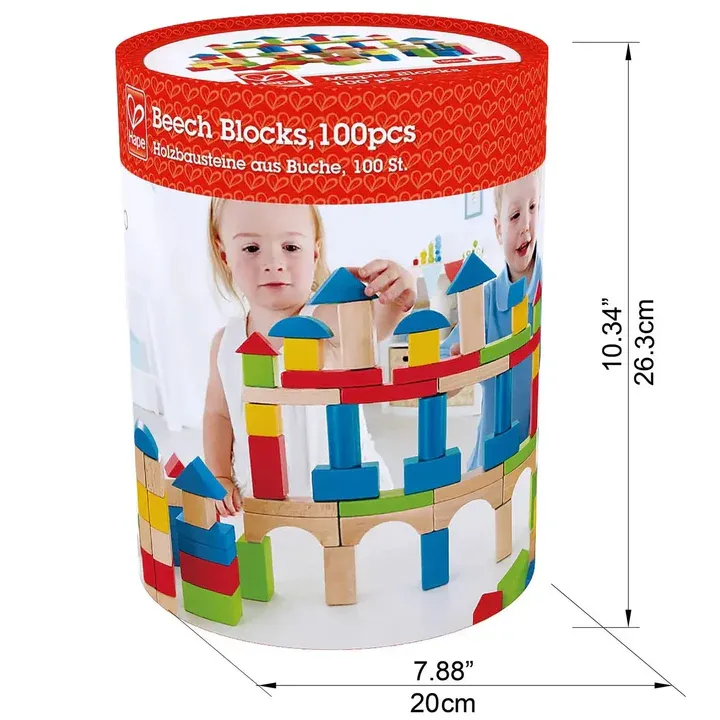
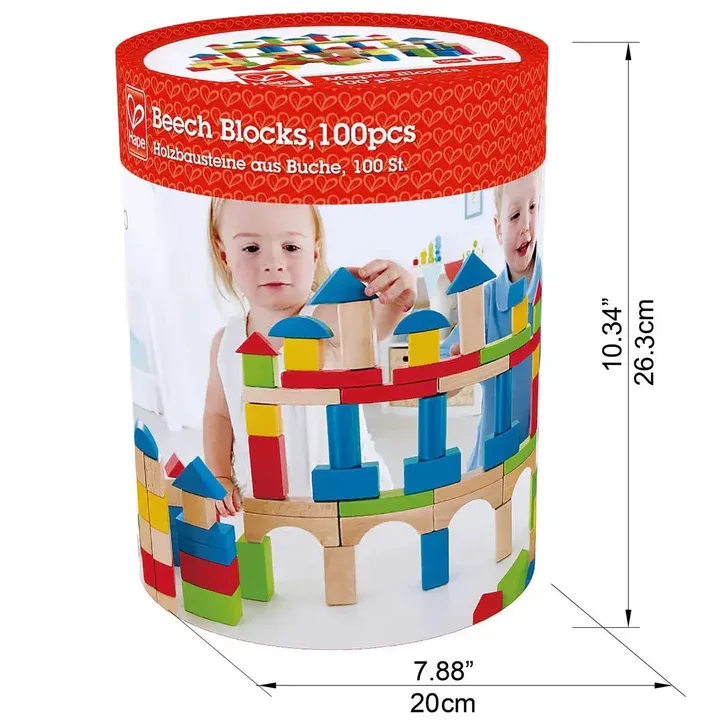
- Convenient storage design: Comes with a sturdy storage box for easy organization and portability, preventing any blocks from being lost
- Meets international safety standards: Passed strict safety tests, non-toxic and harmless, suitable for long-term play
Specifications Summary
- Dimensions: 20 × 20 × 26 cm
- Net Weight: Approximately 2.2 kg
- Gross Weight: Approximately 2.7 kg
- Material: Natural maple wood, child-safe water-based paint
- Batteries: No batteries required
Brand

Product Details
Functions and Play
Core Play
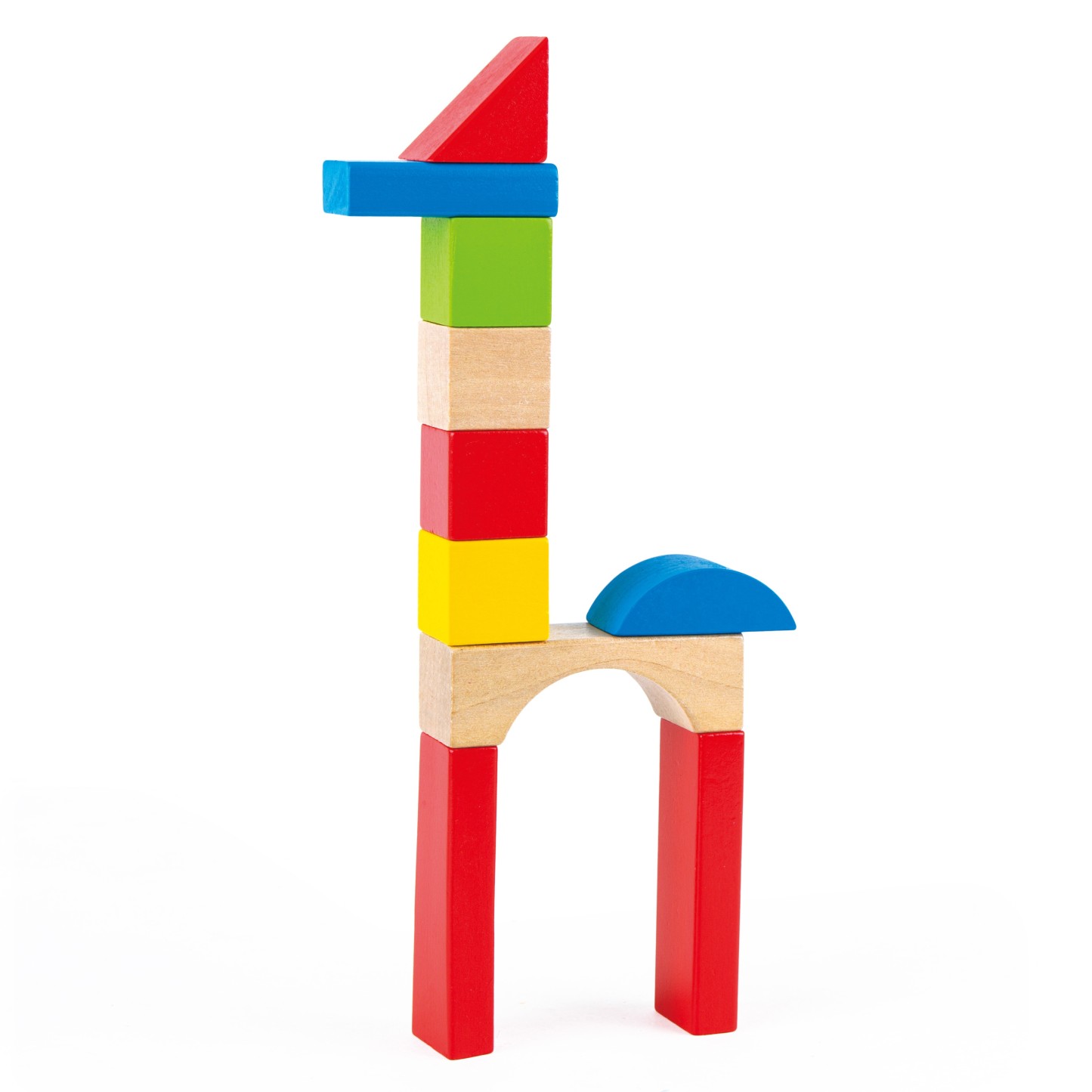
- Free stacking and construction, exploring how different shapes can combine to form towers, castles, or other creative structures, establishing a sense of space and balance
- Through recognizing four vibrant colors and various shapes, engage in sorting, pairing, and counting exercises to promote cognitive development
- Repeated grasping, placing, and stacking actions effectively train fine motor skills and hand-eye coordination
Parent-Child Play
- Parents can design building themes with their children (e.g., "Let's build a bridge" or "Build a skyscraper"), guiding planning and execution skills
- Engage in role-playing based on story scenarios, such as "Little Block City" or "Animal Homes," enhancing language expression and social interaction
Learning Objectives
Developmental Aspects
- Fine motor skills and small hand muscles: Grasping, placing, and stacking actions train finger dexterity and wrist control
- Spatial awareness and mathematical logic: Explore shape combinations, height balance, and symmetry concepts, establishing a foundation for spatial reasoning
- Color recognition and classification ability: Strengthen visual recognition and classification skills through four colors and various shapes
Concrete Benefits
Children can enhance their hand-eye coordination, spatial reasoning, and creative thinking through free construction and repeated manipulation, laying a solid foundation for later engagement with more complex STEM toys, puzzles, and advanced construction toys. According toHong Kong 01's children's development special report, playing with building blocks can effectively train cognitive development, promote hand-eye coordination, and improve concentration.
Suitable Age
Age-appropriate: 1 year and above (official recommendation: 12 months and above, ideal for 1-year-old toys and toddler toys)
Usage Scenarios
- Indoor/Outdoor: Suitable for play mats, living rooms, playrooms, and outdoor picnic mats
- Parent-Child/Classroom: Can be used askindergartenteaching tools in construction corners, free play periods, or Montessori-inspired learning activities
- Storage: Comes with a sturdy storage box for easy organization and portability, store in a dry, cool place, avoiding direct sunlight
Safety and Maintenance
- Certification/Non-toxic: The product is made from natural maple wood and child-safe water-based paint, meeting international safety standards, non-toxic and harmless. According toHong Kong Customs' toy safety guidelines, ensure compliance with the "Toys and Children's Products Safety Ordinance"
- Cleaning and Maintenance: The product surface uses safe water-based paint, does not require disinfection, and can be kept clean with a damp cloth, avoiding the use of alcohol or water washing
- Warnings: Recommended for use under adult supervision; keep away from fire and sharp objects, inspect blocks for integrity before use, ensuring no cracks or edge damage
Material
Made from natural maple wood, dense and hard, not easily damaged. The surface is coated with child-safe water-based paint, vibrant and long-lasting colors, with a delicate and smooth touch, and rounded edges, suitable for toddlers' long-term grasping and stacking operations.
Related Product Recommendations
Hape Natural Scene Building Blocks
High-quality building block toy designed for children aged 2 and above, effectively promoting fine motor training, spatial awareness, and creative thinking through stacking, nesting, and creative construction, making it an ideal choice for STEAM toys.
My First Montessori Wooden House
A sensory exploration toy that aligns with Montessori principles, incorporating various tactile and visual elements, suitable as an advanced toddler toy and Montessori toy, fostering independent learning abilities.
Hape Twisted Railway Maze Table
A puzzle toy suitable for children aged 18 months and above, combining Montessori teaching concepts, training logical thinking and hand-eye coordination through track construction and maze games, making it a quality advanced choice for 1-year-old toys.
Frequently Asked Questions
Why choose maple wood blocks?
Maple wood is dense and hard, not easily damaged or cracked, able to withstand the repeated stacking and dropping by toddlers. The natural wood has a warm touch, combined with child-safe water-based paint, vibrant and long-lasting colors, making it both environmentally friendly and safe. According toHong Kong Department of Health's fine motor development guidelines, high-quality building blocks are ideal tools for promoting fine motor development in children aged 1-4.
Will 100 blocks be too many? Can children manage it?
The rich combination of 100 pieces can provide ongoing challenges as children grow. Initially, parents can guide the use of 10-20 pieces for simple stacking, gradually increasing the number as abilities improve. The abundant number of blocks supports more complex construction creativity, extending the toy's lifespan from the 1-year-old toy stage to the 2-year-old toy stage and even into preschool.
Is this block suitable as a Montessori toy or kindergarten teaching tool?
Absolutely suitable. These blocks align with Montessori educational principles, supporting independent exploration, repeated practice, and self-correction. The classroom construction corner can arrange themed construction activities (e.g., "Building a Bridge" or "Building a House"), allowing toddlers to develop spatial reasoning and problem-solving skills through hands-on operation, making it a quality choice for kindergarten teaching tools.
What specific help does it provide for small hand muscle training?
As children grasp, place, and stack blocks, they repeatedly use thumb opposition, wrist stability, and forearm control, which builds a foundation for hand strength and dexterity. Different shapes of blocks require adjustments in grip and force angles, further enhancing the effectiveness of small hand muscle training, preparing them for future fine motor tasks like writing and using scissors.
How can building block activities promote STEM learning?
The process of constructing with blocks involves multiple STEM concepts: science (gravity, balance, stability), technology (structural design), engineering (how to build a tower that doesn't fall), and mathematics (counting, shape recognition, symmetry). Parents can guide children to observe, hypothesize, and experiment through questioning (e.g., "Why does it fall here?" "How can we make it taller and more stable?"), transforming block play into a STEM learning experience.
How do these blocks differ from puzzles? Which should be played with first?
Blocks provide three-dimensional spatial construction and free creation, with no fixed answers, suitable for open exploration; puzzles, on the other hand, are two-dimensional matching with clear completion goals, suitable for training observation and concentration. It is recommended to start with blocks at age 1 to develop basic spatial awareness and hand-eye coordination, and then introduce simple puzzles (4-8 pieces) after 18 months. Alternating between the two can comprehensively develop cognitive abilities.
How to design extension activities to enhance learning outcomes?
You can design themed activities such as "Color Sorting Game" (classifying blocks by color), "Shape Matching Activity" (finding all cylindrical blocks), "Height Challenge" (stacking as high as possible without falling), and "Symmetrical Construction" (building a castle with left-right symmetry). Combine with storybooks (e.g., "The Three Little Pigs" building houses) or real-life scenarios (e.g., "Help the bear build a home") to integrate block play with language, mathematics, and social skills, enhancing learning depth.
How to pair with other children's toys to enhance learning outcomes?
It is recommended to use blocks as the main construction tool, paired with small vehicle toys (to build a road system), animal models (to build a zoo), or figurines (to build a city), creating themed play scenes. You can also alternate with puzzles: first complete a flat puzzle (e.g., a farm scene), then use blocks to construct the same theme in three dimensions (building a farm), reinforcing the ability to transition from two-dimensional to three-dimensional space, making it a quality strategy for children's toy combinations.
What should be noted for cleaning and maintenance?
Daily cleaning can be done with a slightly damp cloth and then air-dried. The product surface uses safe water-based paint, does not require disinfection, and avoid using alcohol or soaking in water to prevent damage to the paint surface. Store in a dry, ventilated place, avoiding direct sunlight and heavy pressure. Check blocks for cracks, edge damage, or paint peeling before each use; if any damage is found, immediately stop using that block to ensure a safer play experience.
What guarantees are there for material and safety certification?
The product is made from natural maple wood and child-safe water-based paint, meeting international safety standards. Almost all Hape products come from sustainably harvested forests and meet or exceed all safety standards. According toHong Kong Customs' toy safety guidelines, the product complies with the "Toys and Children's Products Safety Ordinance," allowing parents to let their children use it with peace of mind. It is recommended to operate and play under adult supervision and to quickly inspect the appearance before each use to ensure safety.
How does this block support the developmental needs of different age stages?
1-2 years: Practice single-handed grasping, two-handed passing, and simple stacking (2-4 pieces), establishing a foundation for hand-eye coordination; 2-3 years: Attempt to build simple structures (bridges, towers), learn color and shape classification, and develop spatial concepts; 3-5 years: Create complex buildings, engage in symmetrical design and role-playing, enhancing creative thinking and social skills. A set of blocks can accompany children from the infant toy stage to preschool, making it a worthwhile investment in educational toys.
Summary
The Hape Maple Wood Building Block 100-Piece Set is a high-quality educational toy designed for children aged 1 and above. Through free construction and creative combinations, it effectively promotes fine motor training, spatial awareness, and logical thinking development. The product is made from natural maple wood and child-safe water-based paint, meeting international safety standards, making it an ideal choice for 1-year-old toys and toddler toys, as well as quality kindergarten teaching tools and Montessori toys.
Whether for family bonding time or Montessori teaching applications, these blocks can effectively enhance children's hand-eye coordination, creative thinking, and problem-solving abilities, laying a solid foundation for future engagement with more complex STEM toys, puzzles, and advanced construction toys. In line with the trends in early childhood education development in Hong Kong, allowing children to explore while building blocks and grow through exploration makes it an ideal toy for accompanying children's growth.